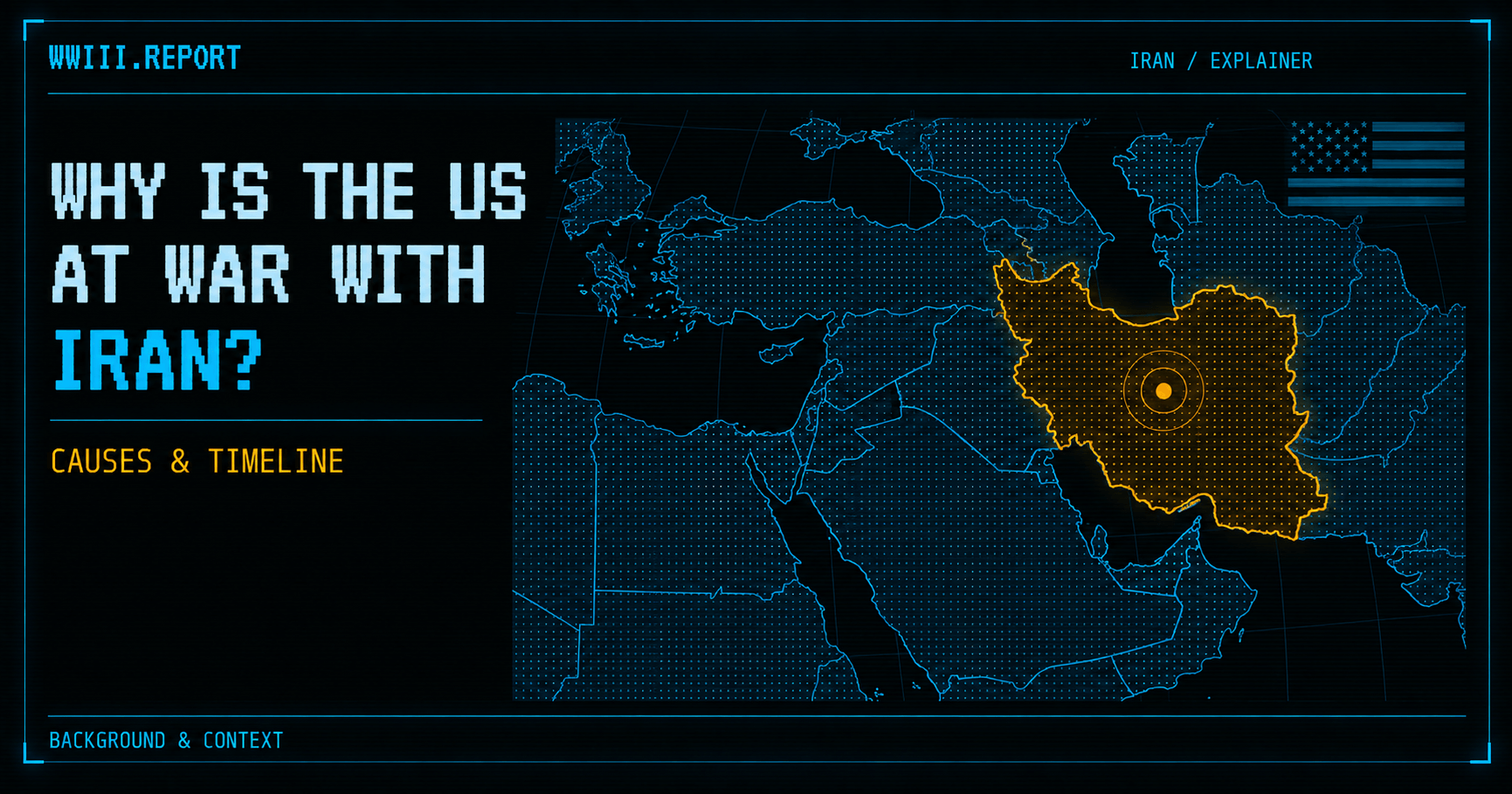
The 2026 US–Iran war followed decades of hostility, a disputed nuclear programme and earlier military exchanges. This explainer separates the decision to launch strikes from each government’s stated reasons.
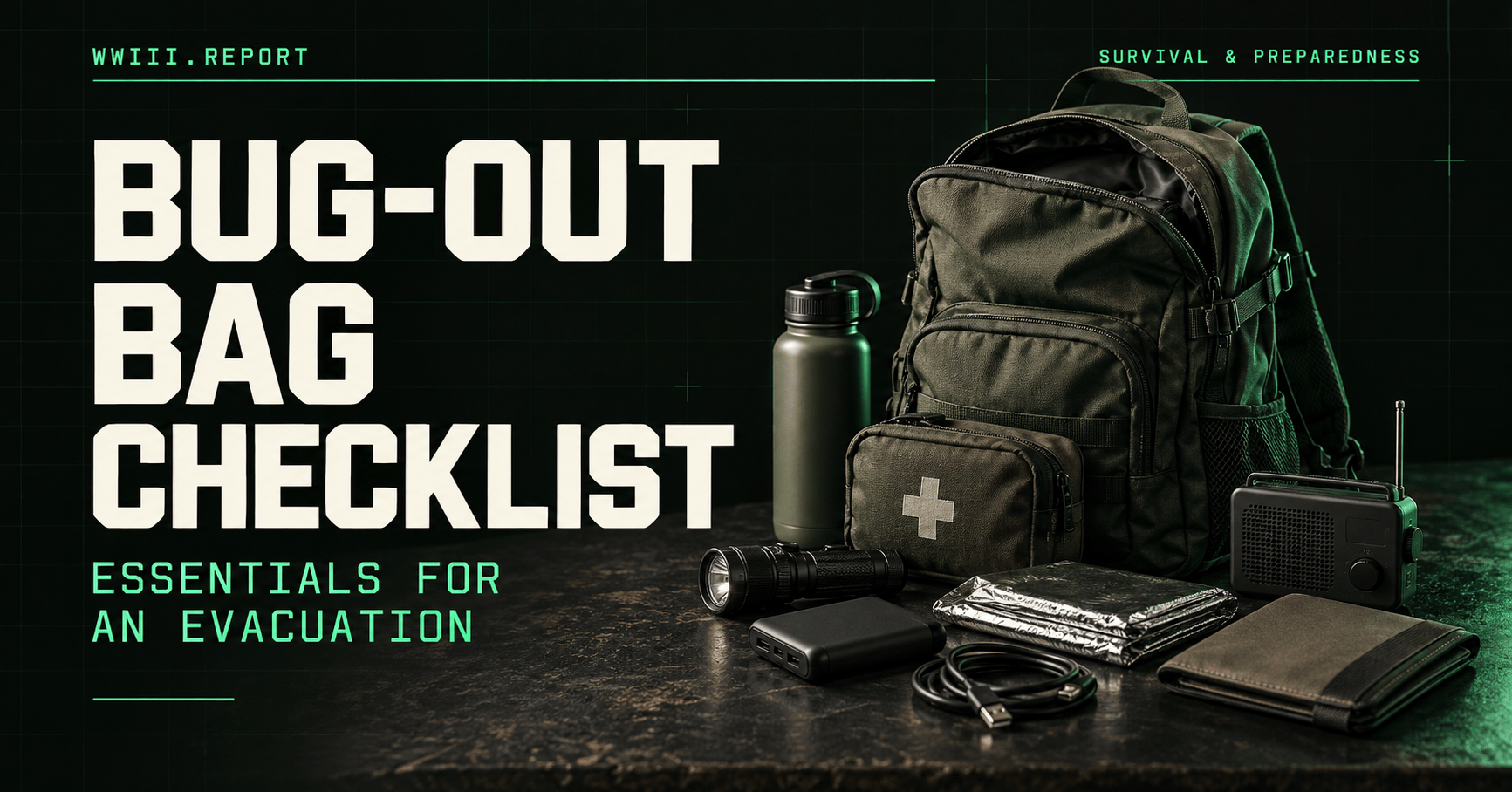
A bug-out bag should help you leave safely and manage essential needs on the way to a planned destination. This checklist covers water, food, documents, medication, communication and the practical limits of a 72-hour bag.
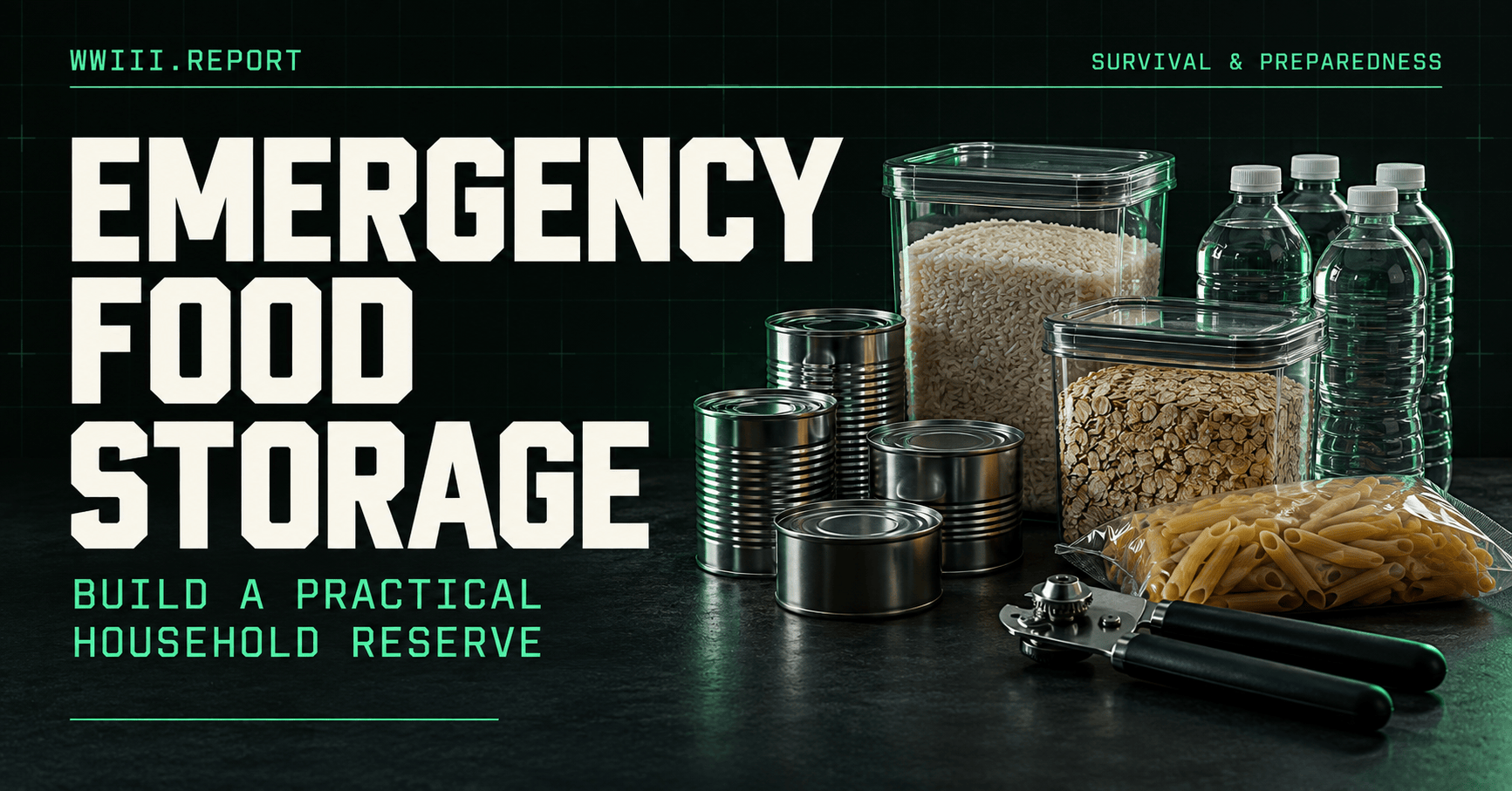
A useful emergency food supply covers meals your household can actually prepare. Learn what to store, how to rotate it, and the food-preservation mistakes that can make an emergency more dangerous.
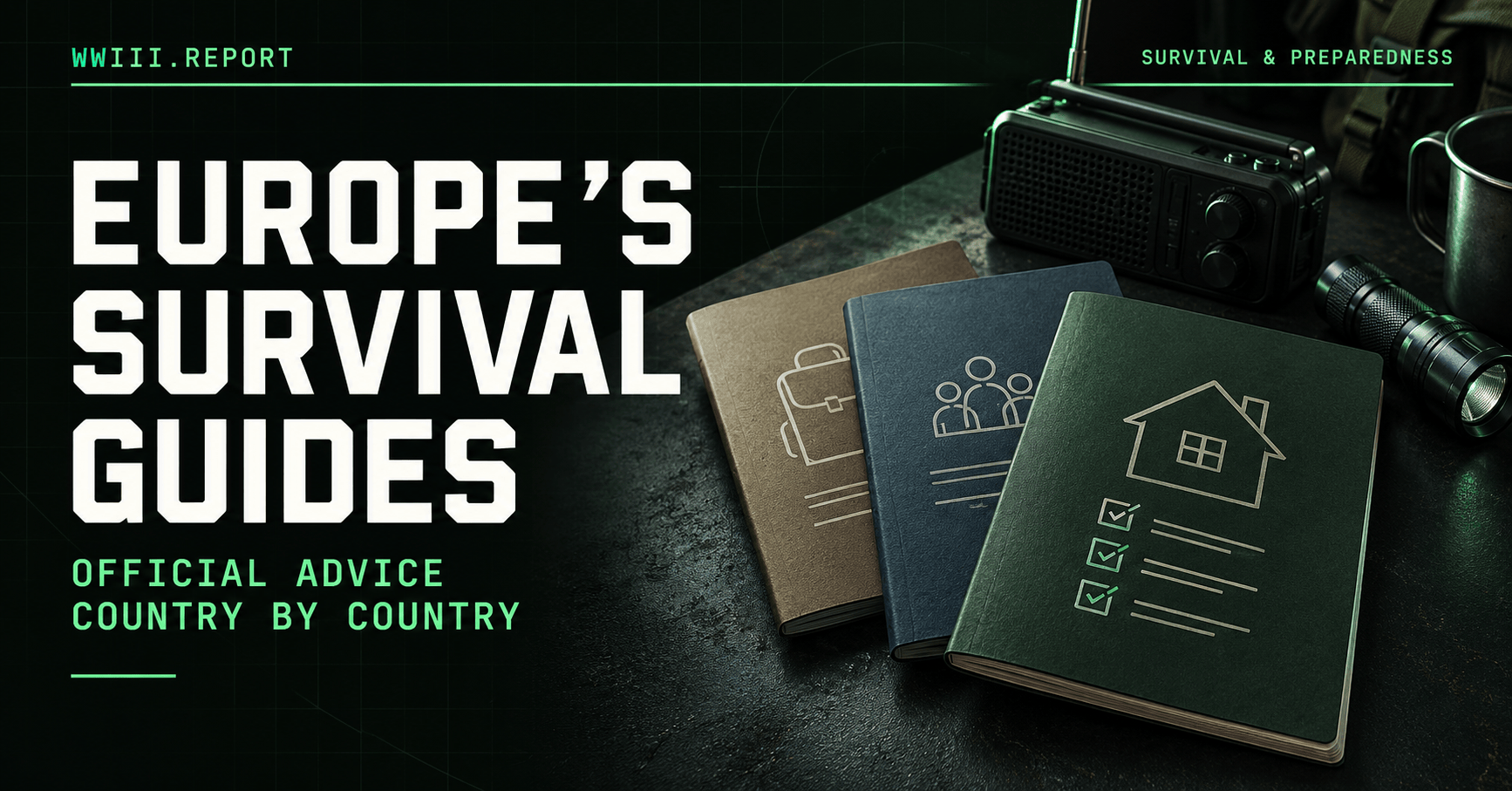
Compare Europe’s official preparedness guides, from Sweden’s war brochure to Switzerland’s emergency supplies advice. Find resources for 31 countries and see how recommendations differ between 72 hours, one week and ten days.
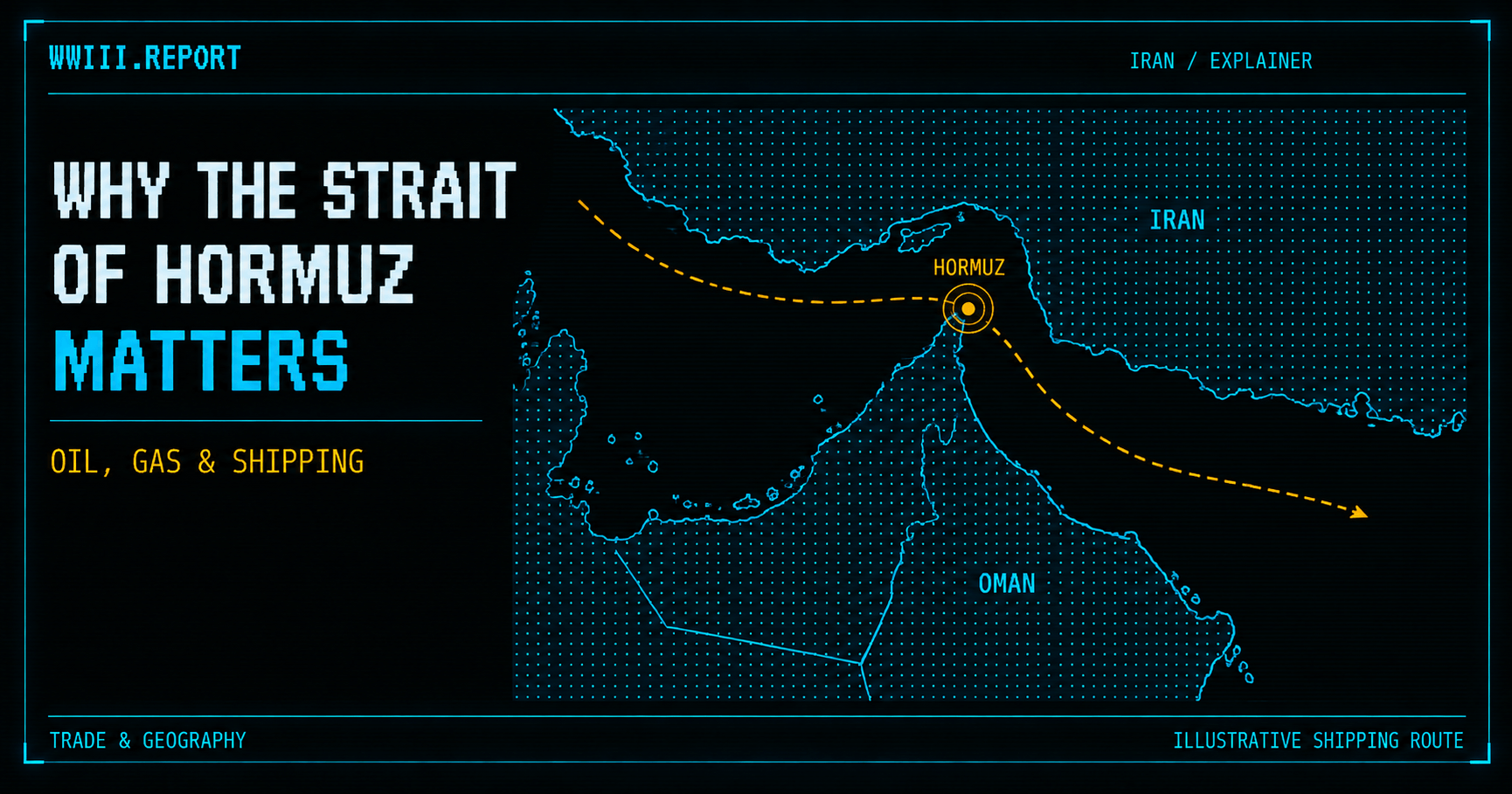
The Strait of Hormuz connects major Gulf energy exporters with world markets. Its importance comes from the scale of oil and gas shipments, limited alternatives and the difference between a threat to shipping and an actual interruption.
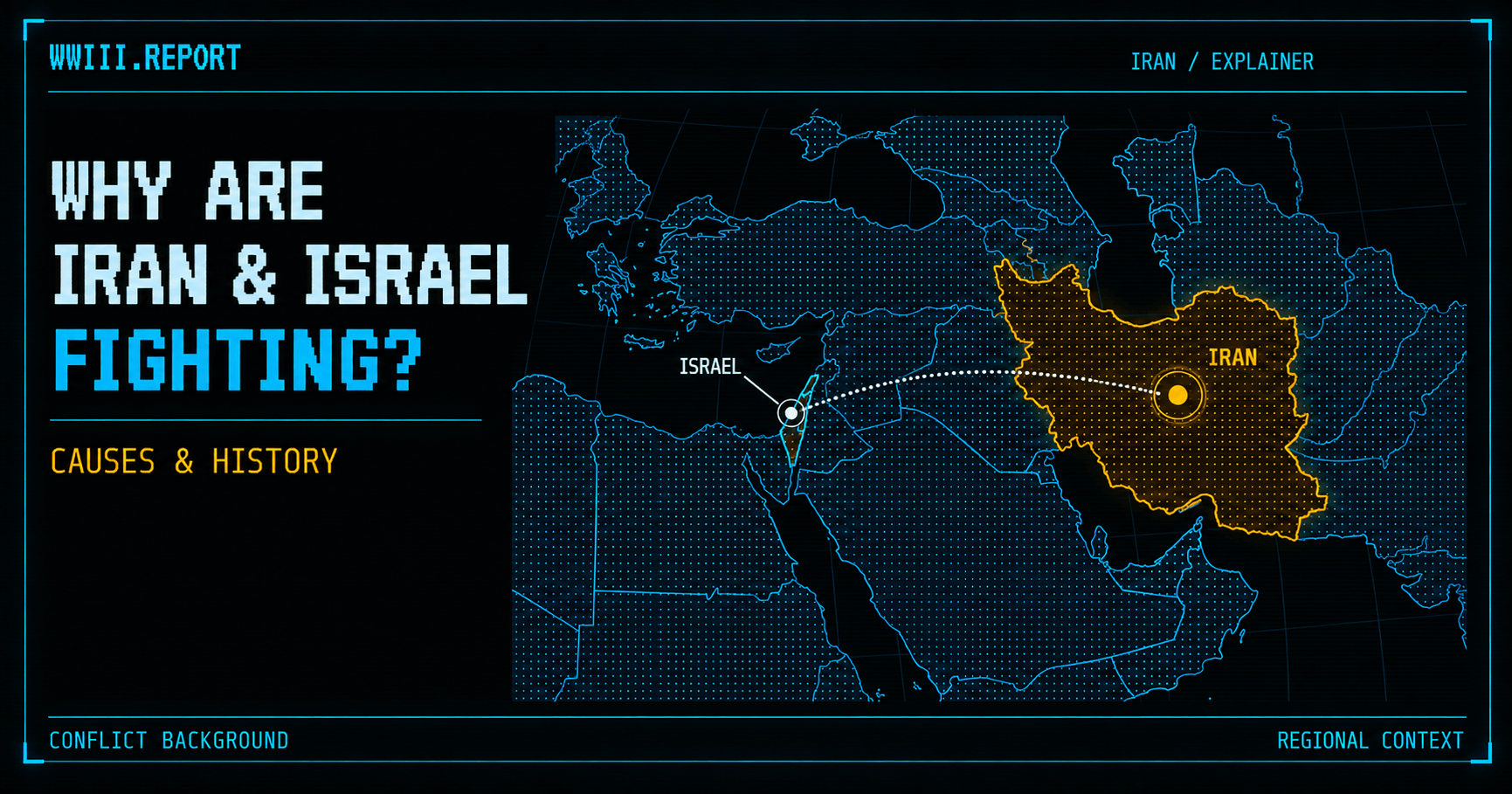
Iran and Israel’s confrontation grew from a political break after 1979, rival security strategies, armed partnerships and the nuclear dispute. Direct attacks in 2024 and the wars of 2025 and 2026 changed its scale.
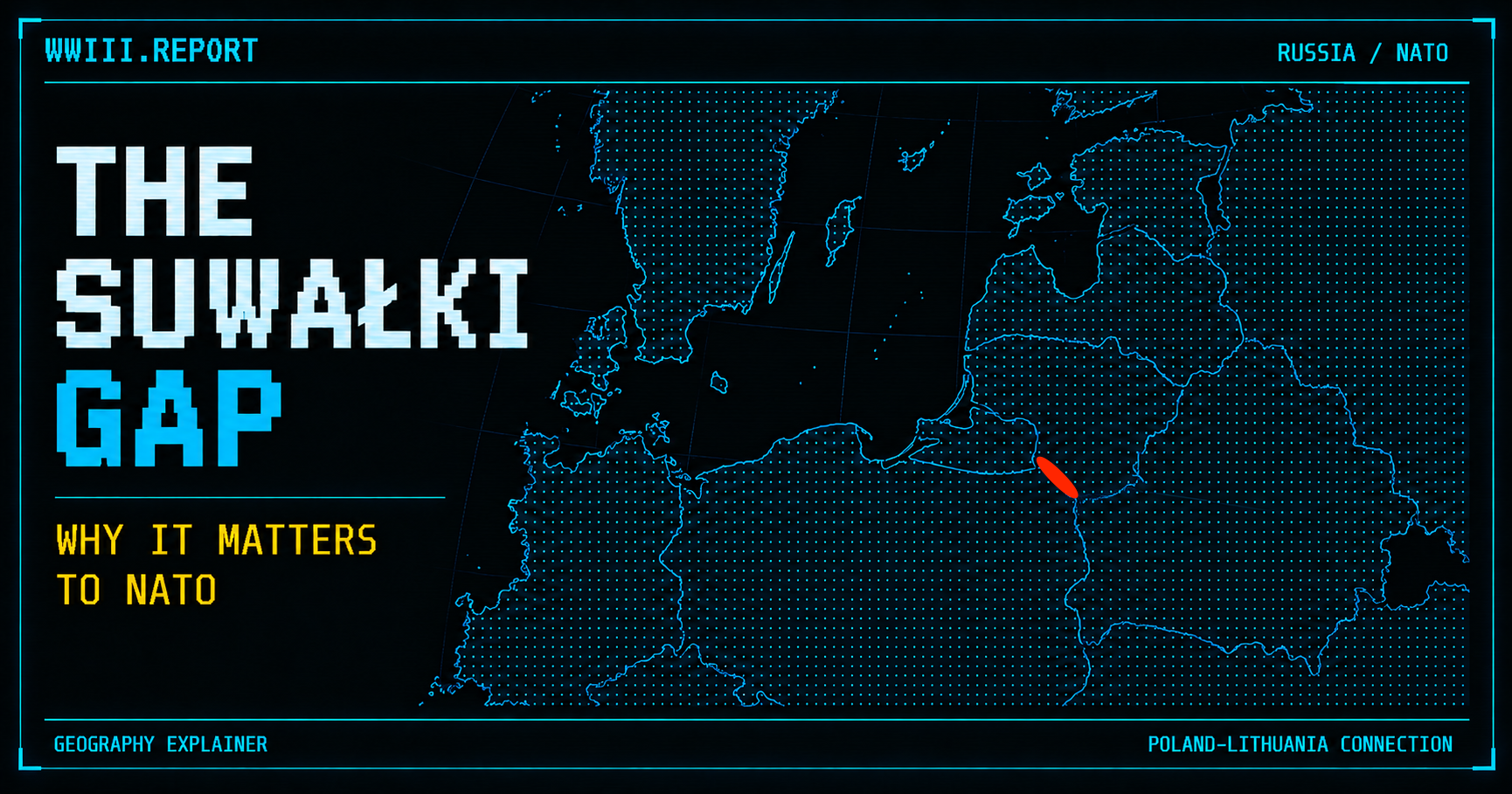
The Suwałki Gap is the border area linking Poland and Lithuania between Kaliningrad and Belarus. Its importance comes from land access to the Baltic states, collective defence and the civilian connections that cross the region.
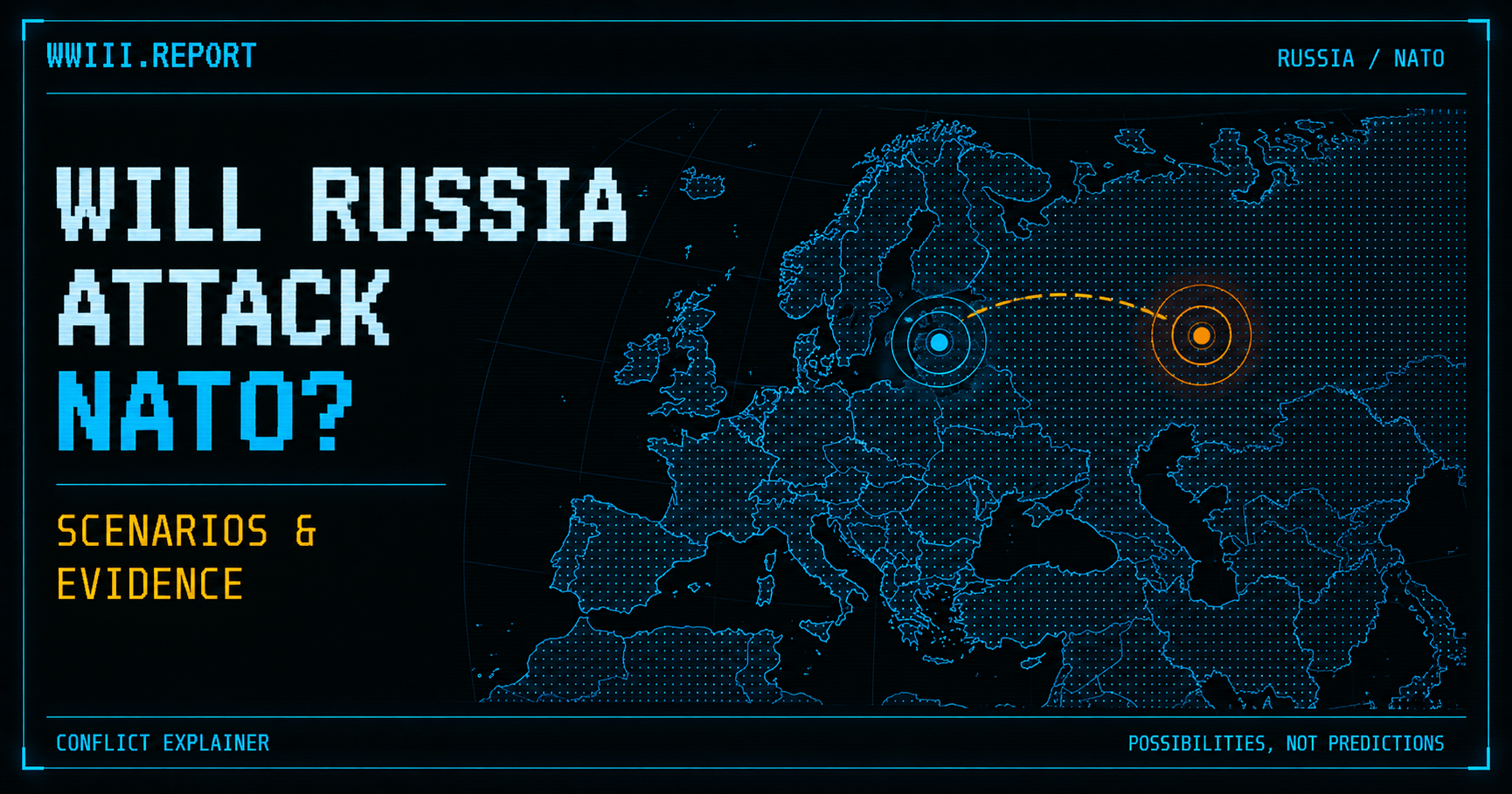
Russia–NATO tensions can escalate through deliberate attacks, spillover or miscalculation. Dated incidents and intelligence assessments explain the risks without turning military preparations into a prediction of war.
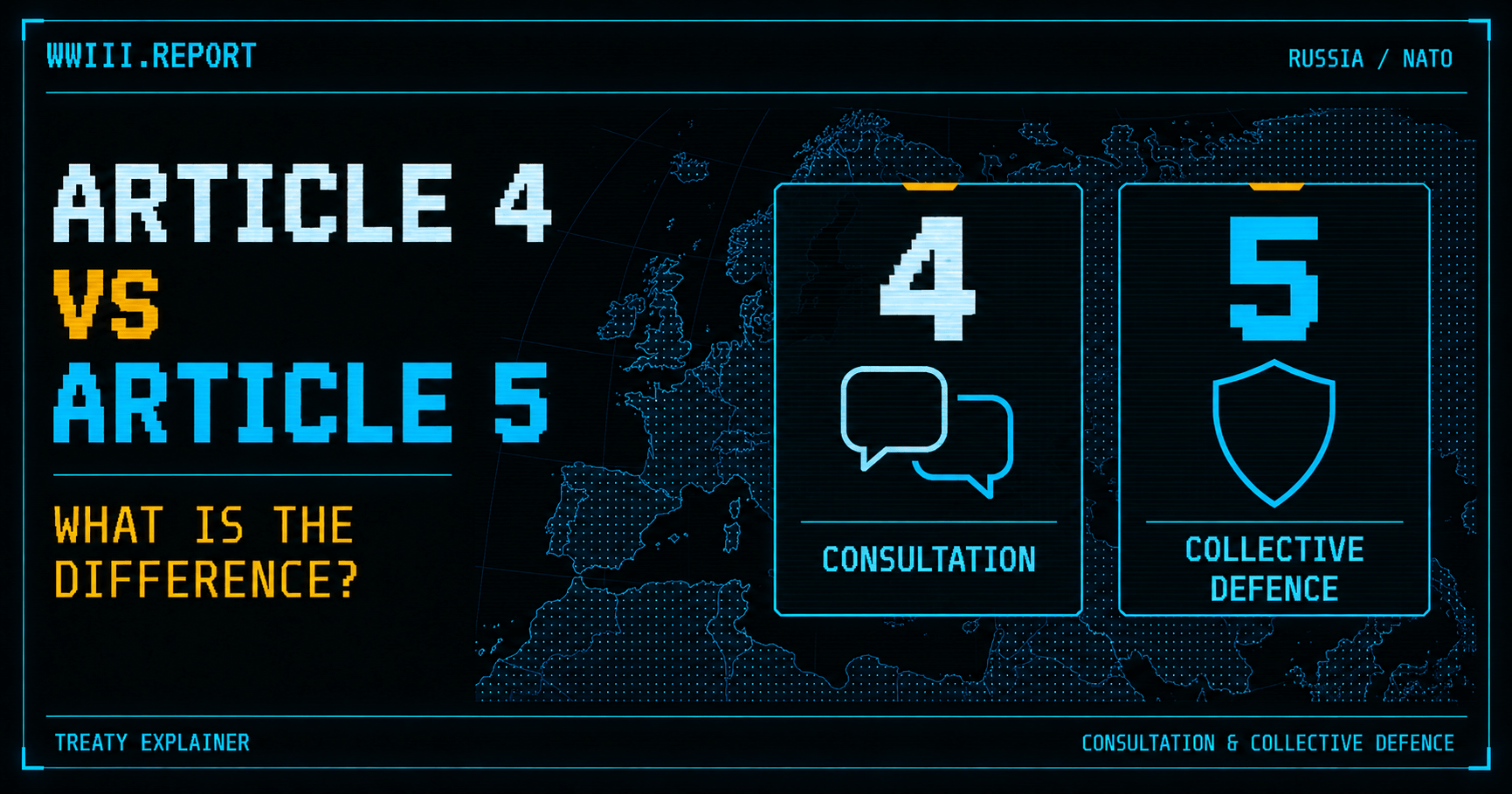
Article 4 brings NATO members together when an Ally considers its security threatened. Article 5 creates a duty to assist after a covered armed attack. Neither sets an automatic military response to every incident.
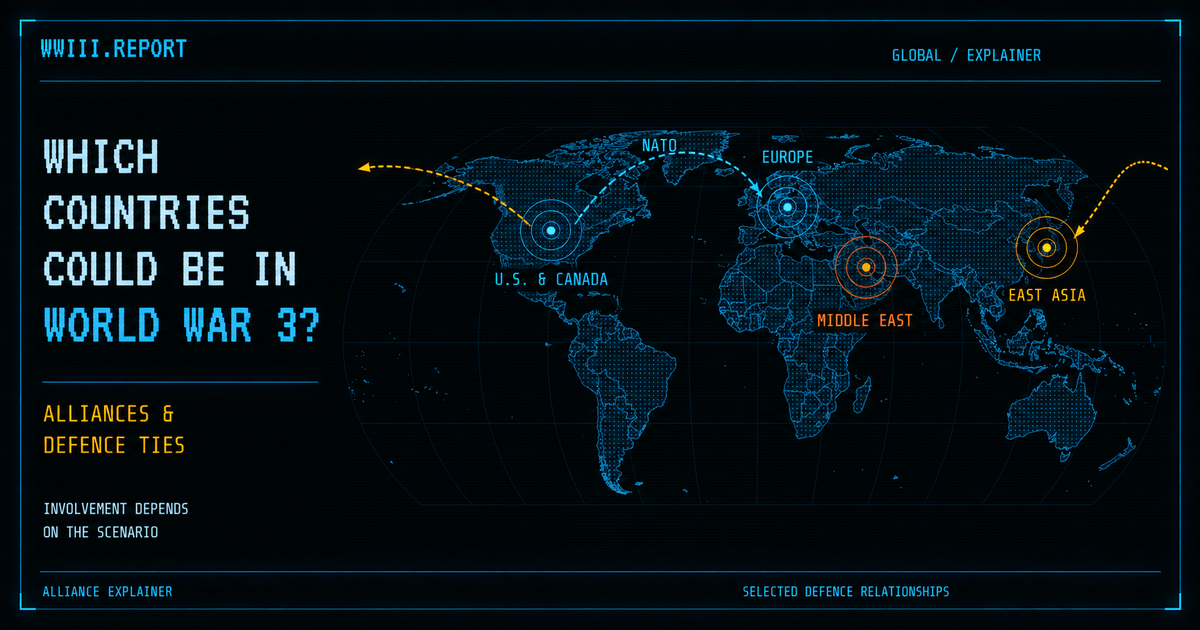
The countries involved in a wider war would depend on where it began and how governments responded. NATO commitments, US alliances in Asia and foreign military bases help explain the possible roles.
A regional conflict could widen if major powers enter direct combat and fighting spreads across regions. Five scenarios explain how that could happen, and where diplomacy and restraint could interrupt escalation.
GET DAILY WW3 REPORT TO YOUR EMAIL
ARCHIVE
—
Every day with a report glows. Pick one to see this page as it was published that day, or see
every report in one table.