Bug-out bag checklist: what to pack for an evacuation
A bug-out bag should help you leave safely and manage essential needs on the way to a planned destination. This checklist covers water, food, documents, medication, communication and the practical limits of a 72-hour bag.
Contents
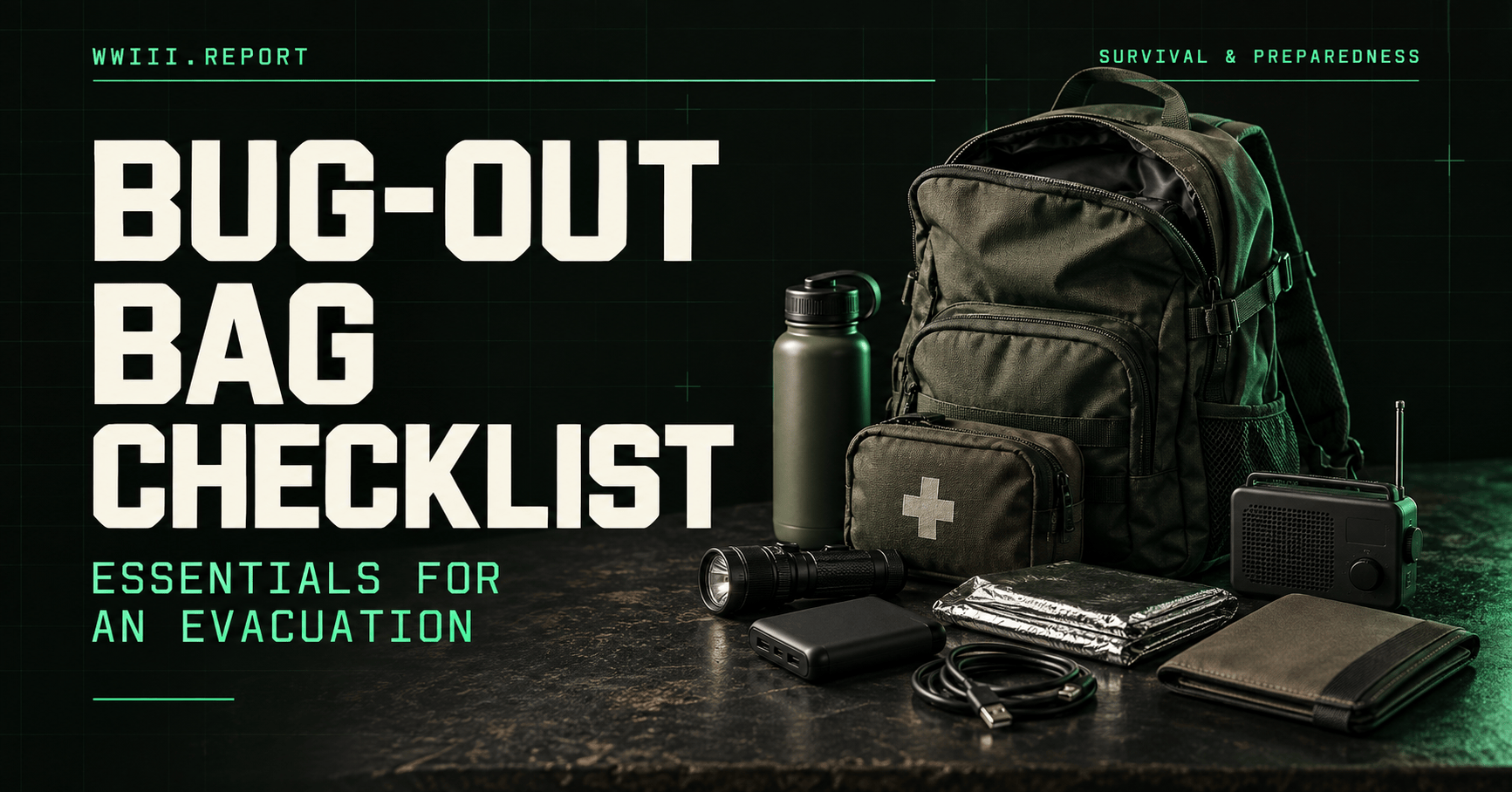
A bug-out bag is a portable emergency bag containing the essentials you would need if you had to leave quickly. It should support a realistic evacuation plan: a destination, a route and arrangements for the people travelling with you.
Start with what is essential for your household to move, communicate and manage health needs. A bag that is too heavy to carry—or missing a critical prescription—is less useful than a modest kit you have organised and checked.
What belongs in a bug-out bag?
The checklist below adapts the supply categories recommended by Ready.gov and New Zealand Civil Defence. Adjust the contents to your climate, journey, local guidance and individual needs.
| Category | Pack or have ready to collect |
|---|---|
| Water and food | Drinking water and familiar, ready-to-eat food; a can opener if required. |
| Health | Essential medication, prescription details, basic first-aid supplies and necessary medical equipment. |
| Documents | Identification, relevant travel documents, insurance information and written emergency contacts. |
| Communication | Phone, charging cable, charged power bank, suitable battery radio and spare batteries. |
| Light | Torch or headlamp and the batteries it uses. |
| Clothing | Comfortable walking shoes, suitable layers, spare socks and weather protection. |
| Hygiene | Soap or hand sanitiser, tissues, menstrual supplies and practical waste bags. |
| Essentials | Keys, modest cash in usable denominations and an offline or paper route map. |
Keep documents protected from water. Put items needed immediately where you can reach them without emptying the bag.
Does a 72-hour bag contain everything for three days?
“72-hour kit” is a common planning label. It does not guarantee that a single backpack can contain everything someone will need for three days in every situation.
Water shows the problem. The CDC's emergency-storage baseline of about 3.8 litres per person per day amounts to approximately 11.4 litres for three days. That water alone weighs about 11.4 kilograms, before containers and other equipment. CDC water-storage guidance.
Separate your portable bag from larger household or vehicle supplies. Plan where safe additional water can be obtained, and have an alternative if that source is unavailable. Do not assume the lightest packing list provides an adequate water supply.
The same applies to food: a few snack bars may help during a short journey, but they do not automatically cover three days of meals.
How should you adapt the bag for your household?
Work through each person's ordinary day. Which items could they not comfortably or safely go without? That exercise often identifies more important needs than a generic equipment list.
The American Red Cross includes medication, medical information, glasses and other personal medical items in its preparedness guidance. It also identifies infant, child and pet supplies as additions to the basic kit. Red Cross checklist.
For medication that needs controlled storage or equipment that needs power, ask the prescribing clinician, pharmacist or equipment provider how to maintain it during an evacuation. Keep a short last-minute collection list for essentials that cannot remain permanently packed.
Assign an adult to carry a child's critical supplies. Share group equipment sensibly, while ensuring people can still contact one another if separated. Include carriers, leads and supplies in any plan involving pets.
How heavy should a bug-out bag be?
There is no useful universal weight that suits every person and journey. Age, mobility, heat, terrain and the need to assist someone else all change what is manageable.
Try the packed bag in safe everyday conditions. Can you lift it, use the stairs and walk the distance your plan requires? Can you do that while managing a child, pet or mobility aid?
If the answer is no, revise the transport arrangements or divide the load. Removing essential water merely to achieve an attractive pack weight does not solve the underlying problem.
When should you use the bag?
Use it when evacuation is directed or needed because the place you are in is unsafe. Having a bag prepared does not mean leaving is always the correct response.
For example, CDC guidance during a radiation emergency prioritises getting inside a suitable building and following official instructions. Driving away immediately can conflict with that advice. Radiation-emergency guidance.
A family plan should cover both staying inside and leaving. Agree where to meet, who can assist anyone needing help, and how to receive official information when ordinary communications are disrupted.
A simple maintenance routine
Choose a recurring date to check the bag, and review it whenever the household's needs change. Check food dates, medication arrangements, charged devices, battery condition, documents and clothing sizes.
Run a short practice: find the bag, collect the listed essentials and confirm the destination. Look for practical failures—a missing key, a flat power bank or a bag stored behind heavy furniture—and fix them while there is time.
Tags guide prepping survival ww3
SOURCES 5 · checked 24 Sep 2026
- Ready.gov ready.gov
- New Zealand Civil Defence getready.govt.nz
- CDC water-storage guidance cdc.gov
- Red Cross checklist redcross.org
- Radiation-emergency guidance cdc.gov
READ NEXT
World War 3 4 min read
Emergency food storage: what to buy and how to preserve it safely
A useful emergency food supply covers meals your household can actually prepare. Learn what to store, how to rotate it, and the food-preservation mistakes that can make an emergency more dangerous.
World War 3 10 min read
Europe’s survival guides: official advice for war and emergencies
Compare Europe’s official preparedness guides, from Sweden’s war brochure to Switzerland’s emergency supplies advice. Find resources for 31 countries and see how recommendations differ between 72 hours, one week and ten days.
World War 3 4 min read
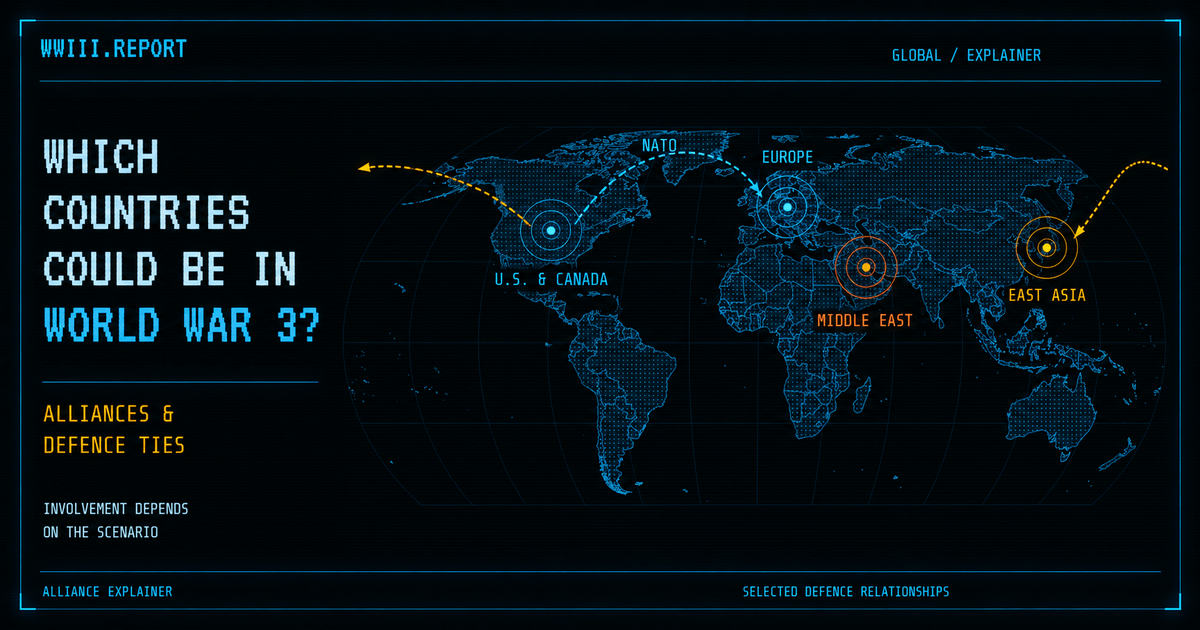
Which countries could be involved in World War 3?
The countries involved in a wider war would depend on where it began and how governments responded. NATO commitments, US alliances in Asia and foreign military bases help explain the possible roles.